

You’ve done a lot of things right to get here.
But there may be a handful of habits at your kitchen table quietly working against you. Not dramatically. Steadily, year after year.
Aging is a process, not an event. And food is one of the most powerful levers you can pull on it.
The research is clear: certain eating patterns accelerate cellular damage, drive chronic inflammation, and stiffen arteries far faster than the calendar alone ever could.
The good news? Most of these habits are fixable with small, deliberate changes — not a complete diet overhaul.
In this article, you’ll learn 8 eating habits that speed up aging, why each one matters at the cellular level, and exactly what to replace them with.
Because getting older is non-negotiable. How you feel while doing it very much is.
1) Eating Too Much Added Sugar
What’s being missed
Most people know sugar isn’t great. Fewer realize that excess sugar triggers a process called glycation, where sugar molecules bind to proteins and fats in your body, forming compounds called Advanced Glycation End-products (AGEs). AGEs stiffen collagen in your skin and arteries and accumulate faster than your body can clear them.
Why it matters
The National Institute on Aging links high sugar consumption to increased inflammation, accelerated arterial stiffness, and greater risk of cognitive decline. Stiff arteries and inflamed cells are two of the fastest pathways to biological aging, regardless of your actual age.
How to fix it
- Swap sweetened beverages for sparkling water with a citrus wedge.
- Replace daily dessert with a small serving of berries — natural sweetness plus antioxidants that counter oxidative stress.
- You don’t have to eliminate sugar. Reducing it consistently is what shifts the trajectory.
2) Relying on Ultra-Processed Foods
What’s being missed
Ultra-processed foods — packaged snacks, frozen meals, fast food — are engineered to be convenient and craveable. They’re also loaded with refined carbohydrates, artificial additives, and seed oils that disrupt your gut microbiome. A disrupted microbiome is increasingly linked to accelerated immune aging, sometimes called “inflammaging.”
Why it matters
Your gut houses a significant share of your immune system. When microbial balance tips toward harmful bacteria, systemic low-grade inflammation rises. Chronic inflammation is one of the primary drivers of tissue damage across every organ system.
How to fix it
A simple rule: if the ingredient list has more than five items and you can’t pronounce half of them, find an alternative. Research from Stanford’s Sonnenburg lab, Wastyk et al. (2021) published in Cell, found that a high-fermented-food diet — yogurt, kefir, fermented vegetables — significantly increased microbiome diversity and reduced inflammatory markers. Adding fermented foods to your daily routine is one of the most direct ways to restore gut balance.
3) Skimping on Protein
What’s being missed
After 60, your body becomes less efficient at using dietary protein to build and repair muscle — a phenomenon researchers call anabolic resistance. Many retirees unconsciously drift toward lighter eating, consuming far less protein than their bodies actually need.
Why it matters
Muscle loss begins as early as age 30 but accelerates and becomes clinically significant from the 60s and 70s onward. It’s not just a fitness issue. Lost muscle mass is directly tied to fall risk, metabolic slowdown, immune function, and recovery time after illness. Staying strong is one of the most reliable predictors of a longer, more independent life.
How to fix it
The PROT-AGE Study Group and ESPEN guidelines recommend healthy older adults target at least 1.0 to 1.2 grams of protein per kilogram of body weight daily, with up to 1.2 to 1.5 g/kg if you’re active or recovering from illness. (Note: those with kidney disease should consult their physician before increasing protein intake.) Spread protein across all three meals rather than concentrating it at dinner. For practical food choices, see our guide to the 10 Best High-Protein Foods for Seniors, Ranked.
4) Eating Too Many Fried and Charred Foods
What’s being missed
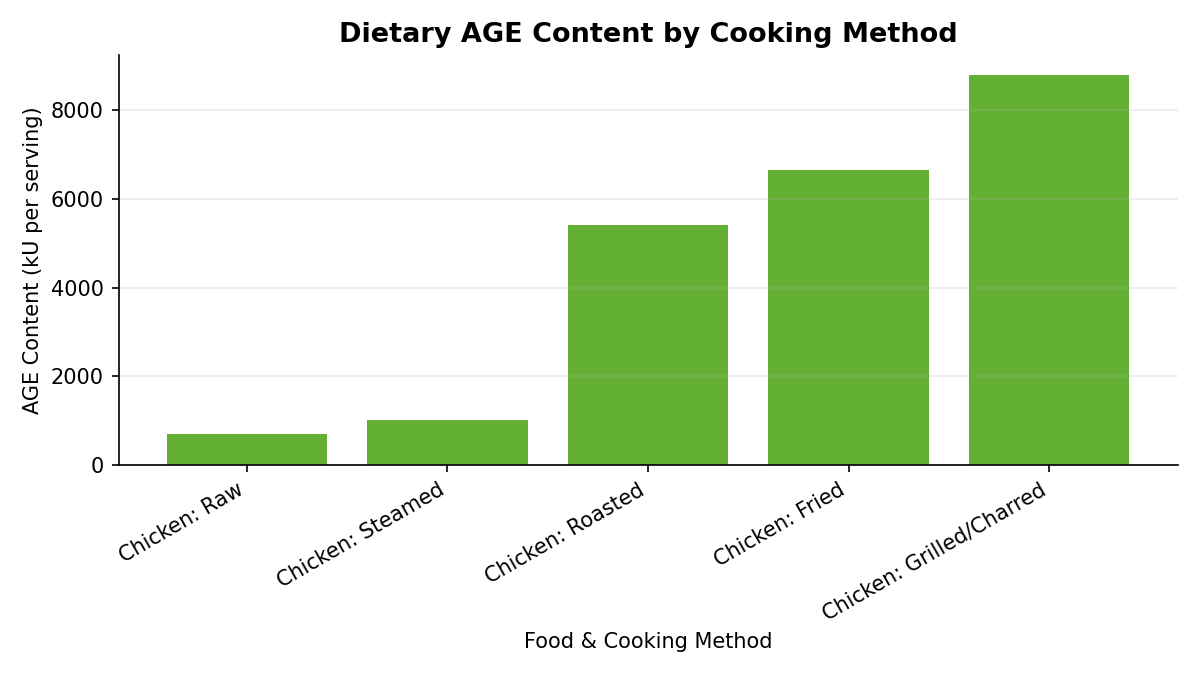
High-heat cooking — deep frying, charring on a grill, repeatedly reheating oils — generates dietary AGEs (the same compounds produced internally by excess sugar) as well as compounds called acrylamides. Both are absorbed through digestion and contribute to oxidative stress throughout the body.
Why it matters
Oxidative stress is essentially cellular rust. When free radicals outpace your body’s antioxidant defenses, they damage DNA, cell membranes, and mitochondria. Over years, this compounds into faster skin aging, reduced organ function, and higher disease risk.
How to fix it
You don’t have to give up the grill. Steaming, poaching, slow-cooking, and baking at moderate temperatures produce dramatically fewer AGEs. When you do grill, marinating meat in herbs and acidic ingredients like lemon juice or vinegar before cooking has been shown to reduce AGE formation significantly.
5) Drinking Too Much Alcohol Regularly
What’s being missed
Alcohol at moderate levels has long carried a health halo. But large-scale research, including analyses published in The Lancet, has revised that picture considerably. Regular consumption, even at moderate levels, is associated with accelerated telomere shortening, increased liver stress, and disrupted sleep architecture.
Why it matters
Telomeres are the protective caps on your chromosomes, and their length is one of the best-studied markers of biological age. Shorter telomeres correlate with earlier onset of age-related diseases. Separately, alcohol fragments deep sleep, and poor sleep is itself one of the most powerful accelerators of cellular aging.
How to fix it
If you enjoy a drink socially, that pleasure has real value. The shift worth making is moving away from nightly habit drinking. Alcohol-free days give your liver recovery time, improve sleep quality, and support healthier telomere maintenance. Sparkling water, kombucha, or non-alcoholic wine at dinner can fill the ritual without the cost.
6) Chronically Under-Eating Healthy Fats
What’s being missed
Decades of low-fat diet messaging led many people to cut fat broadly, including the fats their bodies genuinely need. Omega-3 fatty acids, found in fatty fish, walnuts, and flaxseed, are essential for brain cell membrane integrity, joint lubrication, and reducing inflammatory signaling throughout the body.
Why it matters
Omega-3 deficiency is associated with faster cognitive decline, drier and less resilient skin, and higher levels of inflammatory markers like C-reactive protein. Your brain is roughly 60% fat by dry weight and depends on a steady supply of quality fats to maintain structure and function as you age.
How to fix it
- Aim for fatty fish (salmon, sardines, mackerel) at least twice a week.
- Add a small handful of walnuts to breakfast or a salad.
- Use extra-virgin olive oil as your default cooking fat — it delivers monounsaturated fats and polyphenols that actively protect blood vessels.
7) Skipping Meals or Eating Irregularly
What’s being missed
Irregular eating patterns — skipping breakfast, eating a huge meal late at night, going many hours without food then overeating — disrupt your circadian rhythm at the cellular level. Your metabolism, hormone release, and digestive function all run on time-sensitive biological clocks that meal timing directly influences.
Why it matters
Research from the Salk Institute and other circadian biology labs shows that eating out of sync with daylight hours raises blood sugar variability, impairs metabolic flexibility, and increases inflammatory markers. For retirees, metabolic inflexibility accelerates both cardiovascular aging and cognitive decline.
Eating well is one part of staying well in retirement. Healthcare costs are the other side of the equation. If you want to protect your budget against future medical expenses, our guide to retirement health savings account options is a practical starting point — because better daily habits can mean more budget left over for the experiences that make retirement truly meaningful.
How to fix it
The goal is consistency, not rigidity. Eat within roughly the same window each day, favor earlier meals over late-night eating, and avoid skipping breakfast regularly. Even a modest 10-to-12-hour eating window — finishing dinner by 7 p.m. and not eating again until 7 or 8 a.m. — supports better metabolic function for most people.
8) Not Drinking Enough Water
What’s being missed
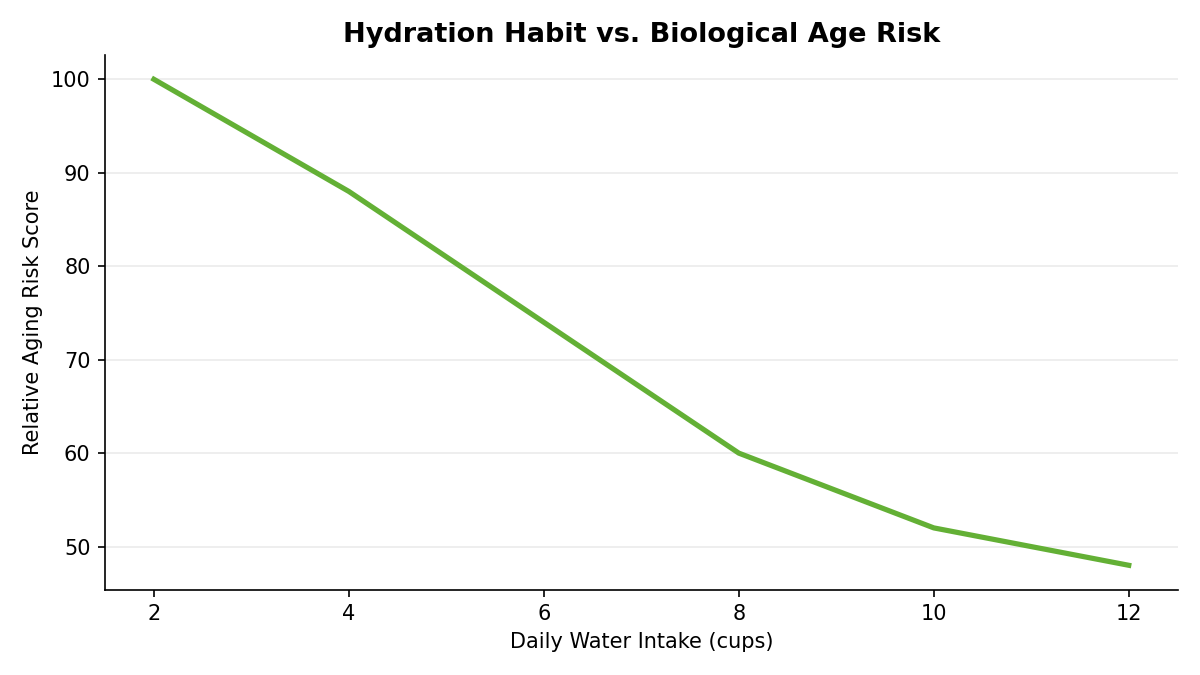
Dehydration is systematically underappreciated as an aging accelerator. The sensation of thirst becomes less reliable with age, meaning many retirees are chronically mildly dehydrated without ever feeling strongly thirsty. Chronic mild dehydration impairs kidney function, thickens blood, reduces joint lubrication, and visibly accelerates skin aging.
Why it matters
A 2023 study published in eBioMedicine by NHLBI/NIH researchers used serum sodium levels as a marker of hydration status and found associations between better hydration markers and slower biological aging, fewer chronic diseases, and lower risk of premature death. The findings are observational, but the data behind this one is compelling.
How to fix it
- Set a proactive drinking schedule rather than waiting for thirst.
- A glass of water first thing in the morning, one before each meal, and one mid-afternoon covers most of your daily baseline.
- Foods with high water content — cucumbers, watermelon, leafy greens, broth-based soups — count too.
- Coffee and tea in moderate amounts contribute to hydration, despite the old myth that caffeine cancels them out entirely.
Conclusion
None of these eight habits requires a complete life overhaul. Most can be shifted with one or two deliberate substitutions you probably won’t even miss after a week.
The compounding effect works in both directions. Just as small bad habits build up over years, small good ones do too. And at 60, 65, or 70, you still have decades ahead for those better habits to pay off.
Start with the one on this list that resonates most. Get comfortable with it. Then pick another.
Your plate is one of the most powerful tools you have for shaping how the next chapter feels. Use it deliberately.
Because the goal isn’t just a longer life — it’s a better one.
