
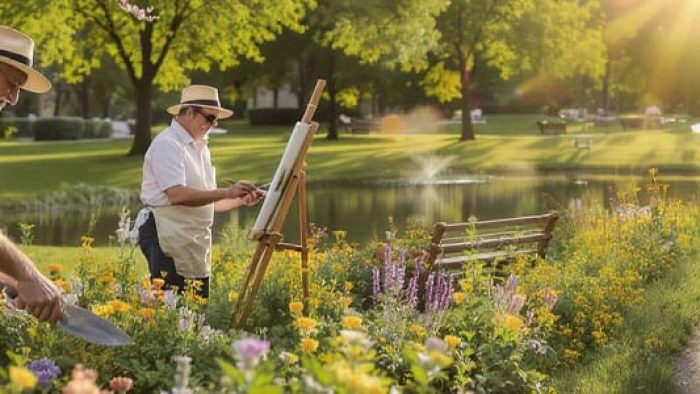
Retirement opens the door to something most of us have long craved: time.
After decades of work, you finally have space in your schedule to explore passions old and new.
But here’s the challenge: What do you do with all that time?
For many retirees, the excitement of leaving work is quickly followed by the worry of boredom, loneliness, or a lack of purpose.
That’s where retirement hobbies come in.
Hobbies are more than just pastimes—they’re lifelines to joy, community, and health.
The right hobby can spark creativity, keep you physically active, and connect you with like-minded people. From gardening and photography to volunteering and travel, retirement hobbies are the key to making these years some of the most rewarding of your life.
This Hero Retirement guide explores why hobbies matter in retirement, the best social, physical, creative, intellectual, and outdoor options, and how to choose hobbies that fit your personality and lifestyle.
Article Highlights
- Hobbies in retirement improve health and happiness, reducing risks of depression and cognitive decline.
- Social hobbies build community and purpose, from book clubs to volunteer work.
- Physical hobbies keep you active and healthy, whether through gardening, walking, or dance.
- Creative hobbies ignite passion and expression, such as painting, writing, or music.
- Outdoor and adventure hobbies let you explore new places and experiences in retirement.
Why Hobbies Matter in Retirement
The connection between hobbies and well-being
Research shows that retirees who engage in hobbies experience better physical and mental health.
In fact, a study from the National Institute on Aging found that leisure activities can lower stress, boost cognitive performance, and even reduce the risk of chronic illness. Hobbies provide structure to your days, giving you something meaningful to look forward to.
Think of hobbies as exercise for the brain and soul.
Just as physical workouts keep your body strong, hobbies keep your mind sharp and your emotions balanced. Whether it’s playing the guitar, joining a local hiking group, or learning a new language, retirement hobbies help you stay vibrant.
Purpose, engagement, and longevity
Retirement isn’t just about living longer—it’s about living better.
Purposeful activities, like mentoring students or volunteering at a local charity, give you a sense of contribution that boosts happiness and longevity. According to a Harvard study, strong engagement in meaningful activities correlates with longer, healthier lives.
In other words, retirement hobbies aren’t just “nice to have” — they’re an essential ingredient for a fulfilling second act.
Social Retirement Hobbies
Group classes and clubs
Joining a group keeps you active and connected.
Options range from book clubs and cooking classes to golf leagues and choir groups. Group hobbies provide accountability — you’re more likely to keep showing up when others are counting on you.
In addition to the social benefits, group settings often introduce you to new skills.
For instance, community centers often host art or computer classes designed for seniors. You learn, laugh, and build friendships at the same time.
Volunteering as a social hobby
Volunteering is one of the most rewarding social retirement hobbies.
Whether it’s mentoring young professionals, working at a food bank, or helping at an animal shelter, volunteering gives retirees a sense of purpose. It also builds community connections and combats loneliness.
Many organizations actively recruit retirees because of their skills, experience, and reliability. Volunteering is flexible too. You can commit to a few hours a month or several days a week, depending on your schedule.
Physical Retirement Hobbies
Gardening, walking, and light sports
Gardening is often called the “hobby of longevity.” It combines light exercise, fresh air, and the satisfaction of nurturing life.
Walking is another excellent, low-impact choice that requires no special equipment. Regular walking has been linked to improved cardiovascular health and reduced arthritis pain.
For those seeking a bit more activity, light sports like pickleball, tennis, or golf provide both exercise and social interaction. Pickleball, in particular, has become one of the fastest-growing sports among retirees in the U.S.
Dance and fitness activities
Dance is both fun and functional. Ballroom, line dancing, or Zumba classes offer cardio exercise while stimulating memory and coordination.
Fitness hobbies such as yoga or tai chi provide flexibility and stress relief, making them perfect for retirees managing chronic conditions.
The best part?
You can start small. Even a weekly class at a local studio can provide lasting health and social benefits.
Creative Retirement Hobbies
Painting, music, crafts
Creative outlets are proven to boost emotional well-being.
Painting, drawing, or pottery allow retirees to explore imagination while developing fine motor skills. Playing an instrument or singing in a community choir stimulates the brain and connects you to others.
Crafts like knitting, quilting, or woodworking can be deeply meditative. Many retirees also sell their creations online, turning hobbies into income streams.
Writing and photography
Writing can take many forms: journaling, blogging, or even penning a memoir. Documenting your life’s experiences provides personal reflection and a legacy for future generations.
Photography offers a chance to see the world through a new lens — literally. Whether it’s capturing family moments or landscapes during travels, photography combines creativity with memory-making.
Intellectual and Learning Hobbies
Reading and book clubs
Reading keeps the mind active and reduces stress.
Book clubs add a social dimension, fostering discussion and community around shared stories. Many libraries and retirement communities host senior-friendly book clubs.
Audiobooks and e-readers also make reading accessible for retirees with vision challenges, ensuring that literature remains a lifelong hobby.
Lifelong learning and online courses
Retirement doesn’t mean stopping your education.
Online platforms like Coursera and edX allow retirees to explore subjects from history to computer science. Many universities also offer free or discounted courses for seniors.
Learning new skills—whether digital literacy, languages, or even cooking—keeps the brain sharp and provides a sense of accomplishment.
Outdoor & Adventure Hobbies
Travel and exploration
Travel ranks among the most popular retirement hobbies.
From international cruises to road trips across America, retirees now have the freedom to explore. Travel combines adventure with learning, offering exposure to new cultures and experiences.
Retirees often travel in groups, combining social engagement with the joy of discovery. Some even embrace RV living, turning travel into a full-time hobby.
Camping and nature walks
For those who love the outdoors, camping and nature walks provide tranquility and exercise.
National and state parks offer accessible options, with many providing senior discounts. Spending time in nature reduces stress, improves sleep, and increases overall happiness.
Even a simple weekend camping trip can rejuvenate both body and mind, making it one of the most rewarding outdoor hobbies.
How to Choose the Right Hobby
Matching interests with abilities
The best hobby is the one that excites you and matches your current abilities.
For instance, if you have joint pain, yoga or swimming may be better choices than high-impact sports. If you’ve always loved art, painting or photography might feel natural.
It’s about finding activities that energize you rather than drain you. Start by listing your interests, then match them with realistic, enjoyable options.
Balancing cost and accessibility
Some hobbies are free, like walking or journaling, while others — such as travel or golf — require more resources. Be honest about your budget and consider how accessible each hobby is in your community.
The good news?
There are endless low-cost retirement hobbies that bring joy, from gardening to volunteering. Accessibility matters too. Choose hobbies that fit easily into your lifestyle and location.
Conclusion: Retirement Hobbies for a Fulfilling Life
Retirement is not an ending—it’s a beginning.
With the right hobbies, you can transform your days into opportunities for joy, health, and connection. Whether you’re digging into a garden, traveling the world, or joining a local club, retirement hobbies ensure your golden years shine with purpose.
The secret is simple: choose hobbies that bring you happiness, keep you active, and fit your lifestyle.
Start small, stay curious, and let your passions guide you into a fulfilling retirement.
Ready to begin? Take the guesswork out of your retirement hobbies and download our Retirement Hobby Planner. This tool helps you list interests, set goals, and track progress.
Download our free Retirement Hobby Planner to organize and prioritize your activities.
FAQs
What are the best hobbies for retirees?
Popular hobbies include gardening, painting, travel, volunteering, and fitness activities. The best hobby is the one that aligns with your interests and lifestyle.
How do retirees find new hobbies?
Start by revisiting old interests, exploring local community classes, or joining groups online. Experimenting is part of the process—try several until one feels right.
What hobbies are best for mental health?
Creative and intellectual hobbies like writing, reading, or music are excellent for mental stimulation. Social hobbies also support emotional well-being.
Are hobbies expensive in retirement?
Not necessarily. Many rewarding hobbies, like walking, gardening, or volunteering, are free or low-cost. Others, like travel, require more budgeting.