
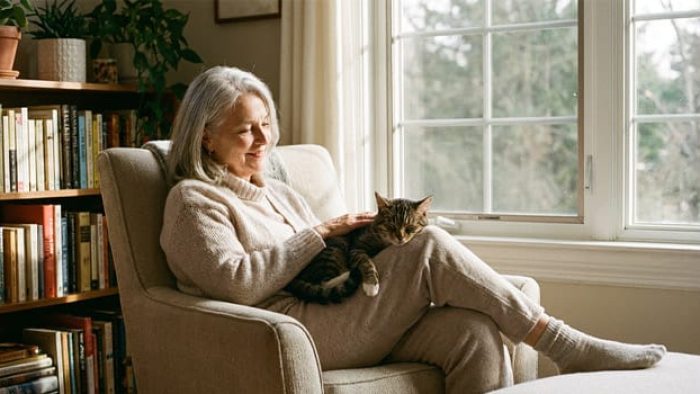
Retirement marks a significant shift in life.
For many, it is a time of newfound freedom and relaxation. However, for others, the transition can bring a quiet house and a sudden lack of routine. The silence that follows the end of a career or the departure of grown children can sometimes feel overwhelming.
This is where the benefits of pet ownership for seniors truly shine.
Bringing a pet into your life during your golden years isn’t just about having a cute animal to look at — it’s a lifestyle change that offers profound physical, emotional, and social advantages.
Whether it’s the rhythmic purr of a cat on your lap or the motivating wag of a dog’s tail at the door, pets provide a unique form of companionship that human interaction sometimes cannot replicate.
In this guide, we’ll explore the science-backed reasons why pets make retirement happier, how they improve physical health, and practical tips for choosing the right companion for your specific lifestyle.
If you are looking to add a sense of purpose and joy to your daily life, a furry, finned, or feathered friend might be exactly what the doctor ordered.
Article Highlights
- Emotional Comfort & Stress Relief: Pets act as live-in emotional support, significantly lowering anxiety levels and providing a consistent source of affection that combats the “empty nest” syndrome.
- Active & Social Lifestyles: Seniors with pets—especially dogs—are statistically more active and socially connected, as pets act as natural icebreakers in the community.
- Customized Companionship: There is no “one size fits all.” Choosing the right pet depends entirely on your mobility, energy levels, and housing situation.
- Routine & Purpose: Caring for a living creature restores a sense of daily structure, which is vital for mental health and cognitive function in retirement.
- Holistic Health Support: Beyond happiness, pet ownership benefits for seniors include measurable physical improvements, such as lower blood pressure and improved cardiovascular health.
Emotional & Mental Health Benefits
The transition to senior living can sometimes be accompanied by feelings of isolation or a loss of identity. However, the bond between a human and an animal is a powerful antidote to these emotional challenges.
Companionship: Reduces Loneliness and Isolation
Loneliness is often cited as a “silent epidemic” among older adults.
As social circles shrink due to retirement or mobility issues, the risk of isolation increases. A pet provides constant, non-judgmental companionship. They are always happy to see you, always ready to listen, and never too busy to spend time with you.
For seniors living alone, a pet fills the silence of a home.
The simple presence of another living being reduces the feeling of solitude. You have someone to talk to, someone to care for, and someone who relies on you. This bond creates a sense of shared life, making the days feel fuller and less lonely.
Stress Relief: Pets Lower Cortisol and Boost Mood
There is a biological reason why you feel better after petting a dog or cat.
Interactions with animals have been scientifically proven to lower cortisol (the stress hormone) and increase the production of serotonin and dopamine (the “feel-good” neurochemicals).
This chemical shift can have an immediate calming effect.
For seniors dealing with anxiety about health, finances, or the future, spending just 15 minutes with a pet can induce a state of relaxation similar to meditation. The tactile sensation of stroking fur is grounding; it pulls you out of your worried thoughts and anchors you in the present moment.
This natural stress relief is one of the most accessible mental health benefits of pets.
Purpose & Routine: Daily Care Creates Structure and Meaning
One of the biggest challenges in retirement is the loss of a structured schedule.
Without a job to go to, days can blur together, leading to cognitive decline or depression. A pet demands a routine. They need to be fed, walked, and cared for at specific times.
This requirement forces you to get up in the morning. It gives you a “job” that matters.
Knowing that a creature depends on you for their well-being provides a renewed sense of purpose. This daily structure is essential for post-retirement lifestyle management, helping to maintain cognitive sharpness and providing a reason to stay engaged with the world every single day.
Physical Health Benefits
While the emotional perks are obvious, the physical health benefits of pet ownership are equally impressive. Owning a pet can quite literally be good for your heart.
Increased Activity: Especially for Dog Owners
It’s easy to skip a walk when you are doing it just for yourself.
It’s much harder to skip it when a pair of brown eyes is staring at you expectantly. Dog owners are far more likely to meet daily exercise recommendations than non-dog owners.
These walks don’t have to be marathons.
Several short, 15-minute strolls throughout the day add up, improving joint mobility, muscle tone, and balance. This consistent, low-impact exercise helps seniors maintain independence longer.
Even for those with lower mobility, the act of grooming, feeding, and playing with a pet involves movement that keeps joints limber and improves motor skills. Staying healthy in retirement is much easier when you have a workout partner who never cancels.
Cardiovascular Benefits: Lower Blood Pressure and Improved Heart Health
The American Heart Association has noted a link between pet ownership and reduced risk of heart disease. The calming presence of a pet can lead to lower resting blood pressure and lower cholesterol levels.
Studies have shown that heart attack survivors who own pets often live longer than those who do not.
The combination of increased physical activity (from walking dogs) and reduced stress responses (from the comfort of any pet) creates a protective effect on the cardiovascular system.
It’s a holistic approach to health: a happier mind leads to a healthier heart.
Improved Sleep & Relaxation: Calming Presence of Animals
Many seniors struggle with insomnia or disrupted sleep patterns.
The presence of a pet can promote a greater sense of security and relaxation at night. The rhythmic breathing or purring of a pet nearby can act as a natural white noise machine, helping to lull you to sleep.
Furthermore, the routine of caring for a pet helps regulate your own circadian rhythm. If your dog wakes you up at 7:00 AM for breakfast every day, you are less likely to oversleep or nap excessively during the day, leading to better quality sleep at night.
A rested body is better equipped to fight off illness and maintain energy levels.
Social Benefits of Pet Ownership
Pets are not just companions in the home. They are bridges to the outside world. They act as “social lubricants,” making it easier to connect with others.
More Social Interaction: Walks and Pet-Related Events
Walking a dog is rarely a solitary activity.
It gets you out of the house and into your neighborhood or local park. This visibility increases the likelihood of bumping into neighbors and other pet owners.
Beyond just walking, pet ownership opens doors to specific events.
Dog parks, pet parades, or even just visits to the pet store become social outings. For seniors who may feel their social circle shrinking, these micro-interactions are vital. They keep you visible in your community and prevent the tendency to withdraw indoors.
Conversation Starter: Helps Shy or Introverted Seniors Connect
“Can I pet your dog?” is one of the most common phrases exchanged between strangers.
Pets provide a neutral, safe topic of conversation. You don’t need to talk about politics or personal issues. You can simply talk about the dog’s breed, name, or funny habits.
For introverted seniors or those who feel awkward initiating conversation, the pet does the heavy lifting.
The focus is on the animal, which takes the pressure off you. This shared interest creates an instant bond with other pet lovers, turning strangers into acquaintances and acquaintances into friends.
Community Involvement: Pet Clubs, Adoption Centers, Volunteer Roles
Owning a pet can lead to deeper community involvement. Many areas have breed-specific clubs or walking groups that meet regularly.
Additionally, if owning a pet isn’t feasible right now, volunteering at a shelter offers similar social benefits. You connect with other volunteers and staff who share a passion for animals.
Engaging in these community roles combats isolation and fosters a sense of belonging. It integrates you into a network of people who care about the same things you do, enriching your social life significantly.
Best Types of Pets for Seniors
Not every pet is right for every senior.
Finding the best pets for seniors requires matching the animal’s needs with your abilities.
Dogs: Great for Active Seniors; Choose Low-Energy Breeds
Dogs are fantastic for seniors who want to stay active and have the mobility to handle walks. However, breed selection is critical. A high-energy puppy or a working breed like a Border Collie might be overwhelming.
Instead, look for adult dogs or breeds known for lower energy levels, such as Cavalier King Charles Spaniels, Pugs, or Shih Tzus. These dogs are affectionate, require less vigorous exercise, and are happy to curl up on the couch. They offer the classic “man’s best friend” experience without the exhaustion of high-intensity training.
Cats: Low-Maintenance, Affectionate Companions
For seniors who prefer a more independent companion or have mobility issues, cats are often the perfect choice. They do not need to be walked, they are generally quiet, and they are happy to stay indoors.
Cats provide immense affection and entertainment with relatively low physical demands.
An adult cat is often content to spend hours sleeping in a sunny spot or on your lap. Their purring is therapeutic, and their care routine (feeding, litter box) is straightforward and manageable for most seniors.
Small Pets: Birds, Fish, Rabbits for Low Mobility Seniors
If a dog or cat is too much responsibility or not allowed in your housing, consider smaller pets.
An aquarium of fish provides a mesmerizing, calming focal point in a room that can lower blood pressure just by watching it.
Birds, such as parakeets or cockatiels, can be incredibly social and intelligent, offering conversation (literally!) and companionship without requiring walks.
Rabbits or guinea pigs are soft and pettable but live in enclosures, keeping the mess contained.
These pets offer the joy of caring for a living thing with significantly less physical exertion.
Therapy Animals: Emotional Support and Companionship
For seniors in assisted living facilities or those with significant health challenges, a personal pet might not be possible. This is where therapy animals come in.
Many organizations arrange for therapy dogs or cats to visit senior centers. These animals are trained to be gentle, calm, and tolerant.
Even if you cannot own a pet, scheduling time with therapy animals can provide that vital emotional connection and tactile comfort. It allows you to reap the emotional benefits of pets without the daily burden of care.
How to Choose the Right Pet
Making the decision to get a pet is exciting, but it requires a practical assessment to ensure a happy outcome for both you and the animal.
Assess Lifestyle & Mobility: Energy Levels, Space, and Routine
Be honest with yourself about your daily life.
Do you use a walker or cane? If so, a large dog that pulls on a leash is a fall risk. Do you like to travel frequently? A cat might be easier to leave with a sitter than a dog.
Consider your living space.
A small apartment is great for a cat or a small dog, but not a Golden Retriever. Match the pet’s energy to yours. If you love hiking, a robust terrier might be great. If your perfect day involves reading in a chair, an older cat is your soulmate.
Consider Long-Term Responsibility: Vet Care, Costs, Lifespan
Pets are a financial commitment.
You must budget for food, grooming, and veterinary care. Seniors on a fixed income need to consider these costs carefully.
Also, consider the lifespan of the pet.
A parrot can live for 50 years; a tortoise even longer. A kitten might live 20 years.
It is a difficult but necessary conversation to have: who will care for the pet if you are no longer able to? Having a plan in place brings peace of mind.
Age Matters: Senior Pets May Be a Perfect Match
Puppies and kittens are cute, but they are also destructive, high-energy, and require intense training. For many seniors, adopting a senior pet is the ultimate “life hack.”
Older pets are usually already house-trained. They are calmer, their personalities are established, and they are past the chewing/scratching phase.
They are often looking for exactly what you are: a quiet home, a soft bed, and plenty of love.
Allergies & Sensitivities: Consider Hypoallergenic Options
As we age, our immune systems change. Ensure you don’t have allergies before bringing a pet home. Spend time with a friend’s pet to test your reaction.
If allergies are a concern, look into “hypoallergenic” dog breeds like Poodles or Schnauzers, which have hair rather than fur and shed less.
However, remember that no animal is 100% allergen-free.
Practical Pet Care Tips for Seniors
Once you have your companion, a few strategic adjustments can make pet ownership safe and sustainable.
Low-Maintenance Strategies: Auto-Feeders, Litter Solutions, Dog Walkers
Technology is your friend.
Automatic feeders ensure your pet gets fed on time even if you are resting. Self-cleaning litter boxes reduce the need for bending and scooping.
If you have a dog but aren’t up for a long walk every day, hire a dog walker or use an app like Rover.
Mobile vets can come to your house for check-ups, saving you the stress of transporting a carrier. These tools allow you to focus on the love, not the labor.
Safety Considerations: Trip Hazards, Training, Mobility Aids
Falls are a major concern for seniors. Small dogs or cats can get underfoot. To minimize risk, choose a pet with a calm temperament.
Ensure the home is free of clutter.
Put bells on your pet’s collar so you hear them coming. If you have a dog, invest in obedience training so they know commands like “stay” or “wait,” preventing them from bolting out doors or pulling you over.
Financial Planning: Budget for Food, Grooming, Health Care
Unexpected vet bills can be stressful. Consider pet insurance to cover emergencies.
Look into local non-profits or “Meals on Wheels” for pets programs that help seniors with pet food costs.
Budgeting for regular grooming is also important, not just for the pet’s looks, but for their health (and yours: clean pets mean fewer allergens).
Senior Pet Adoption: A Meaningful Option
Adopting a senior pet is often the most rewarding path for older adults. It is a partnership of mutual rescue.
Why Adopt a Senior Pet: Calmer Temperament, Easier Training
We touched on this, but it bears repeating: Senior pets are “plug and play.”
They know the rules. They are less likely to destroy furniture or wake you up at 3 AM. Their gratitude is palpable. They seem to know they have been given a second chance. And they bond deeply with their new owners.
Matching Programs: Shelters with Senior-to-Senior Adoption
Many animal shelters recognize the perfect synergy between older people and older pets. Look for programs specifically named “Seniors for Seniors.”
These programs often waive adoption fees for seniors adopting older animals. They provide a curated list of pets that have been temperament-tested and deemed suitable for a quiet lifestyle.
Support Resources: Reduced-Fee Adoption Programs
Beyond waived fees, some organizations offer starter kits (food, bowls, leashes) and even discounted veterinary care for seniors who adopt.
Ask your local humane society about what support they offer to help you keep your new friend healthy and happy.
Conclusion
With the right pet, retirement can become more fulfilling, connected, and emotionally rich. Pets provide companionship, routine, and a sense of purpose that enhance daily life in meaningful ways.
When thoughtfully matched to lifestyle and ability, pet ownership becomes one of the most rewarding decisions a senior can make. The benefits extend beyond companionship, supporting emotional health, physical activity, and social engagement throughout retirement.
FAQ
What is the best pet for a senior citizen?
There is no single “best” pet, as it depends entirely on the senior’s mobility and lifestyle. However, generally speaking, adult cats and older, low-energy dog breeds (like Cavalier King Charles Spaniels or Pugs) are excellent choices. For those with limited mobility, small pets like birds or fish are great alternatives.
What are the benefits of pets for seniors?
Pets provide seniors with companionship that reduces loneliness, a daily routine that offers purpose, and physical health benefits such as lower blood pressure and increased activity levels. They also act as social icebreakers, helping seniors connect with their community.
Why should seniors adopt senior pets?
Senior pets are ideal for older adults because they are usually house-trained, calmer, and less destructive than puppies or kittens. “Seniors for Seniors” programs often match older adults with older pets, creating a mutually beneficial relationship with lower adoption fees.
Q4: What are low-maintenance pets for seniors?
Cats are generally lower maintenance than dogs since they don’t require walks. Other low-maintenance options include freshwater fish (once the tank is established), small birds like canaries, or even guinea pigs. These pets provide companionship without demanding high physical activity.
Q5: What should seniors consider before getting a pet?
Seniors should evaluate their physical mobility (can they walk a dog?), their budget (can they afford vet care?), their housing situation (are pets allowed?), and their long-term health plan. It is also wise to have a plan for who will care for the pet if the senior is hospitalized or can no longer care for the animal.