
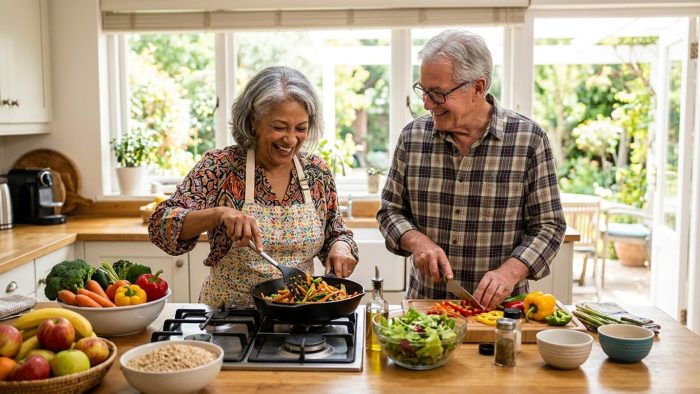
Article Highlights:
- Your metabolism changes after 60, meaning nutrient-dense foods matter more than ever, even as caloric needs decrease.
- Protein intake is critical for preventing muscle loss (sarcopenia), which affects roughly 10-16% of adults over 65 worldwide.
- Hydration, brain-supporting fats, and bone-health minerals form the foundation of eating well in retirement.
- Simple meal planning strategies can keep you nourished whether you’re cooking for one, dining out with friends, or traveling the world.
Retirement opens the door to travel, hobbies, time with grandchildren, and adventures you spent decades dreaming about.
But none of that happens if your body can’t keep up.
The truth most retirement planning overlooks? Nutrition is the engine that powers everything else.
You can have the perfect financial plan, a beautiful home, and a calendar full of activities, but if you’re running on empty nutritionally, your energy, mobility, and mental sharpness will suffer.
Eating well in your golden years isn’t about restriction or complicated diets. It’s about making strategic choices so your body has what it needs to fuel the life you actually want to live.
Whether you’re 58 and planning ahead or 72 and looking to feel better tomorrow than you did today, the principles here are grounded in research and designed for real life, not a laboratory.
The Evolving Nutritional Needs of the Aging Body
Your body at 65 is not the same machine it was at 35.
Pretending otherwise is a recipe for fatigue, weight gain, and declining health. Understanding the specific biological changes that happen with age is the first step toward eating in a way that supports your retirement lifestyle rather than undermining it.
Understanding Metabolic Shifts After Sixty
Basal metabolic rate, the number of calories your body burns at rest, drops by roughly 1-2% per decade after age 20, according to research published in Science Direct.
By the time you hit 60, you may need 200-400 fewer calories per day than you did in your 40s. That’s the equivalent of a generous snack or a glass of wine with cheese, gone from your daily budget.
But here’s the catch: while your caloric needs shrink, your nutrient needs stay the same or actually increase.
Your body becomes less efficient at absorbing certain vitamins and minerals. Stomach acid production decreases, which affects B12 absorption. Kidney function changes alter how you process vitamin D. The result is a narrower window where you need to pack more nutritional value into fewer calories.
This isn’t about eating less. It’s about eating smarter.
The Importance of Nutrient Density Over Caloric Volume
Nutrient density is the ratio of vitamins, minerals, and beneficial compounds relative to the number of calories in a food. A handful of almonds is nutrient-dense. A handful of gummy bears is not, even though they might contain similar calories.
For retirees, this concept should guide every grocery trip.
Swap white bread for whole grain. Choose sweet potatoes over regular fries. Pick salmon over a breaded fish stick. These aren’t dramatic changes, but they compound over weeks and months into measurably better health outcomes. A 2019 study in The Lancet found that poor diet quality contributes to more deaths globally than smoking. The foods you choose every day are that powerful.
Think of it this way: every meal is an investment. You’re either depositing nutrients into your health account or withdrawing from it.
Prioritizing Protein for Muscle Maintenance
If there’s one macronutrient that deserves more attention after 60, it’s protein. Most older adults don’t eat enough of it, and the consequences are serious.
Combating Sarcopenia Through Dietary Choices
Sarcopenia, the age-related loss of muscle mass and strength, affects an estimated 10-16% of older adults worldwide, according to the World Health Organization.
It’s a leading cause of falls, fractures, loss of independence, and nursing home admissions.
The good news: it’s largely preventable and even reversible with the right combination of exercise and nutrition.
The current Recommended Dietary Allowance (RDA) for protein is 0.8 grams per kilogram of body weight, but growing evidence suggests older adults need more. The PROT-AGE study group recommends 1.0-1.2 grams per kilogram for healthy adults over 65, and up to 1.5 grams per kilogram for those with acute or chronic illness.
For a 160-pound person, that translates to roughly 73-87 grams of protein daily.
Spreading protein intake across three meals matters too. Your muscles can only use so much protein at once, about 25-30 grams per meal for optimal muscle protein synthesis. Front-loading all your protein at dinner while eating toast and coffee for breakfast leaves gains on the table.
Plant-Based vs. Animal Protein Sources
You don’t need to eat a steak at every meal.
Both animal and plant proteins can support muscle health, though they have different profiles. Animal sources like chicken, fish, eggs, and dairy are “complete” proteins containing all essential amino acids. Plant sources like lentils, chickpeas, quinoa, and tofu may need to be combined throughout the day to cover the full amino acid spectrum.
A practical approach: aim for a mix.
Have eggs with breakfast, a bean-based soup for lunch, and grilled fish for dinner. This variety also delivers different micronutrients. Lentils bring iron and folate. Salmon delivers omega-3s. Greek yogurt provides calcium and probiotics.
Variety isn’t just the spice of life… it’s the foundation of good nutrition for your retirement adventures.
Essential Vitamins and Minerals for Bone Health
Fractures in older adults aren’t just painful. They’re life-altering.
A hip fracture after age 65 carries a 20-30% mortality rate within one year, according to data from the Journal of Bone and Mineral Research. What you eat directly influences whether your bones stay strong enough to support an active retirement.
The Critical Trio: Calcium, Vitamin D, and Magnesium
These three nutrients work together like a team. Calcium provides the raw material for bone density. Vitamin D helps your body absorb that calcium. Magnesium regulates calcium transport and is involved in bone crystal formation.
The National Institutes of Health recommends 1,200 mg of calcium daily for women over 50 and men over 70.
For vitamin D, the recommendation is 600-800 IU, though many researchers and clinicians argue that 1,000-2,000 IU is more appropriate for older adults, especially those who spend limited time outdoors. Magnesium needs hover around 320-420 mg daily.
Here’s what trips people up: these nutrients interact.
Taking a massive calcium supplement without adequate vitamin D is like buying lumber without nails. And excess calcium without magnesium can actually contribute to arterial calcification. Balance matters.
Natural Food Sources vs. Supplementation
Food should be your first line of defense.
Dairy products, sardines with bones, fortified plant milks, and leafy greens like kale and bok choy are excellent calcium sources. Fatty fish, egg yolks, and mushrooms exposed to UV light provide vitamin D. Magnesium is abundant in nuts, seeds, whole grains, and dark chocolate (yes, really).
Supplements make sense when dietary intake falls short, which is common.
A 2020 AARP survey found that nearly 75% of adults over 50 take at least one dietary supplement. But more isn’t always better. Excessive vitamin D supplementation (above 4,000 IU daily without medical supervision) can cause toxicity. Work with your doctor to test your levels and supplement strategically rather than blindly.
Hydration and Digestive Wellness
Water doesn’t get the attention it deserves. Dehydration is one of the most common reasons older adults end up in emergency rooms, and it’s almost entirely preventable.
Managing Reduced Thirst Signals
Here’s something most people don’t realize: your sense of thirst diminishes with age.
The hypothalamus, which regulates thirst, becomes less sensitive over time. You can be significantly dehydrated and not feel thirsty at all. A study in Physiology & Behavior found that adults over 65 consumed less water after exercise-induced dehydration compared to younger adults, simply because they didn’t feel the urge to drink.
The fix is straightforward but requires intention.
Keep a water bottle visible throughout the day. Set phone reminders if that helps. Eat water-rich foods like cucumbers, watermelon, oranges, and soups. Aim for 6-8 cups of fluid daily, adjusting upward in hot weather or during physical activity. Herbal teas count. Coffee counts too, despite the old myth that it’s dehydrating (moderate caffeine intake has minimal diuretic effect).
The Role of Fiber in Heart Health and Digestion
Constipation affects roughly 33% of adults over 60, according to the American Gastroenterological Association. Beyond discomfort, it’s linked to increased risk of diverticular disease and hemorrhoids. Fiber is the primary dietary solution.
But fiber does double duty.
Soluble fiber (found in oats, beans, and apples) helps lower LDL cholesterol by binding to it in the digestive tract. The American Heart Association notes that increasing fiber intake by just 7 grams per day is associated with a 9% reduction in cardiovascular disease risk. Most Americans get about 15 grams daily; the recommendation is 25-30 grams.
Increase fiber gradually and drink plenty of water alongside it. A sudden jump in fiber without adequate hydration can make digestive issues worse, not better.
Brain Foods to Support Cognitive Longevity
Cognitive decline isn’t inevitable.
While genetics play a role, diet is one of the most modifiable risk factors for conditions like Alzheimer’s and vascular dementia. The MIND diet, a hybrid of Mediterranean and DASH diets specifically designed for brain health, has been shown to reduce Alzheimer’s risk by up to 53% in people who follow it closely, according to research from Rush University Medical Center.
Omega-3 Fatty Acids and Memory Retention
Your brain is roughly 60% fat, and omega-3 fatty acids, particularly DHA, are critical structural components of brain cell membranes. A meta-analysis published in Translational Psychiatry found that higher omega-3 intake was associated with a 20% reduction in cognitive decline risk.
The best sources are fatty fish: salmon, mackerel, sardines, and herring.
Aim for two to three servings per week. If fish isn’t your thing, algae-based DHA supplements offer the same compound without the fishy aftertaste. Walnuts, flaxseeds, and chia seeds provide ALA, a plant-based omega-3, though your body converts only about 5-10% of ALA to the more useful DHA and EPA.
Antioxidants and Their Role in Neuroprotection
Oxidative stress, essentially cellular “rust,” accumulates with age and damages brain cells. Antioxidants neutralize the free radicals responsible for this damage. Blueberries are the poster child here: a Harvard study tracking over 16,000 women found that those who ate the most blueberries and strawberries delayed cognitive aging by up to 2.5 years.
Other antioxidant powerhouses include dark leafy greens, beets, dark chocolate, green tea, and turmeric.
The key is color and variety. Different colored fruits and vegetables contain different antioxidant compounds. A plate that looks like a rainbow is doing more for your brain than any single “superfood” supplement ever could.
Practical Meal Planning for the Retirement Lifestyle
Knowing what to eat is one thing.
Actually preparing it consistently, especially when cooking motivation dips, is another challenge entirely.
Retirement changes your relationship with meals. Maybe your partner passed away and cooking for one feels pointless. Maybe you’re traveling constantly and eating out more than ever. Good nutrition in retirement needs to be practical, not aspirational.
Simple One-Pot Recipes for Solo or Duo Dining
One-pot meals are a retiree’s best friend. They minimize cleanup, scale easily, and often taste better the next day. A few staples to rotate:
- Lentil soup with spinach, carrots, and cumin: high in protein, fiber, and iron, ready in 30 minutes
- Sheet-pan salmon with roasted broccoli and sweet potatoes: covers omega-3s, calcium, and beta-carotene in one tray
- Chicken and vegetable stew with white beans: protein-rich, freezes well, and makes four servings from one batch
- Overnight oats with walnuts, berries, and Greek yogurt: zero cooking required, covers fiber, omega-3s, and protein
Batch cooking on Sunday for the week ahead eliminates the “I’ll just have toast” trap that leads to nutritional gaps. Freeze portions in individual containers so you always have a healthy option ready.
Navigating Social Dining and Travel Nutrition
Retirement often means more restaurant meals, dinner parties, and travel.
This is part of the joy of this life chapter, and nutrition shouldn’t turn you into the person who can’t enjoy a meal out. The 80/20 rule works well here: eat nutrient-dense meals 80% of the time, and give yourself grace for the other 20%.
At restaurants, scan the menu for grilled proteins and vegetable-based sides. Ask for dressings on the side. Choose water or sparkling water as your default drink. When traveling, pack portable snacks like mixed nuts, dried fruit, and protein bars to avoid relying entirely on airport food or gas station options.
These small habits add up to maintaining your nutrition while still fueling your adventures in retirement.
Sustaining Energy and Vitality for Long-Term Independence
Independence is the prize.
Every nutritional choice you make either moves you toward it or away from it.
The research is clear: older adults who eat a varied, nutrient-dense diet rich in protein, healthy fats, fiber, and micronutrients maintain more muscle mass, better cognitive function, and greater mobility than those who don’t. A 2023 study in BMC Geriatrics found that diet quality was one of the strongest predictors of maintaining independence in adults over 75.
This is where the broader picture matters. At Hero Retirement, we talk about the HERO framework: Health, Enjoyment, Returns, and Opportunity. Nutrition sits squarely in the Health pillar, but it touches all four. Better energy means more enjoyment. Fewer medical bills improve your financial returns. And physical vitality opens up opportunities you might otherwise miss.
You don’t need to overhaul your entire diet overnight.
Start with one change this week: add a serving of fatty fish, swap a sugary snack for nuts, or set a water reminder on your phone. Small, consistent actions build the foundation for a retirement that’s not just long, but genuinely vibrant.
Your golden years deserve golden fuel. Start today.
Frequently Asked Questions
How much protein should I eat daily after age 65?
Research from the PROT-AGE study group recommends 1.0-1.2 grams of protein per kilogram of body weight for healthy adults over 65. For a 160-pound person, that’s approximately 73-87 grams per day, spread across three meals for optimal absorption. Those managing chronic illness may need up to 1.5 grams per kilogram, so consult your physician for personalized guidance.
Should I take a multivitamin or individual supplements?
It depends on your specific deficiencies. A blood test can reveal where you’re falling short, which is far more effective than taking a broad multivitamin that may include nutrients you don’t need. Vitamin D, B12, calcium, and magnesium are the most common gaps for adults over 60. Work with your doctor to test levels annually and supplement only what’s necessary.
Can diet really affect my risk of Alzheimer’s disease?
Yes. The MIND diet, which emphasizes leafy greens, berries, nuts, fish, and olive oil while limiting red meat, butter, and fried foods, has been associated with up to a 53% reduction in Alzheimer’s risk in those who follow it rigorously. Even moderate adherence showed a 35% risk reduction in the Rush University study that developed the protocol.
How do I know if I’m dehydrated?
Common signs include dark yellow urine, fatigue, dizziness, dry mouth, and confusion. Because thirst signals weaken with age, don’t rely on feeling thirsty as your cue. A practical test: check your urine color. Pale yellow means you’re well-hydrated. Anything darker than apple juice suggests you need more fluids. Aim for 6-8 cups of fluid daily as a baseline.